
We may earn a commission from links on this page.
This is the year smart glasses grew up. In 2026, we’ve fully moved past the era of bulky novelties for tech hipsters to wearables that are useful, stylish, and comfortable. With big tech companies and small startups alike vying for a piece of the market, there are so many different kinds of glasses dropping onto store shelves and into Amazon shopping carts that it can be tough to figure out which ones are worth your money.
I’ve been covering smart glasses for Lifehacker for years, testing everything I can get my eyes on. Below are my favorite smart glasses for 2026, broken down by how people actually use them.
Credit: Robyn Johnson
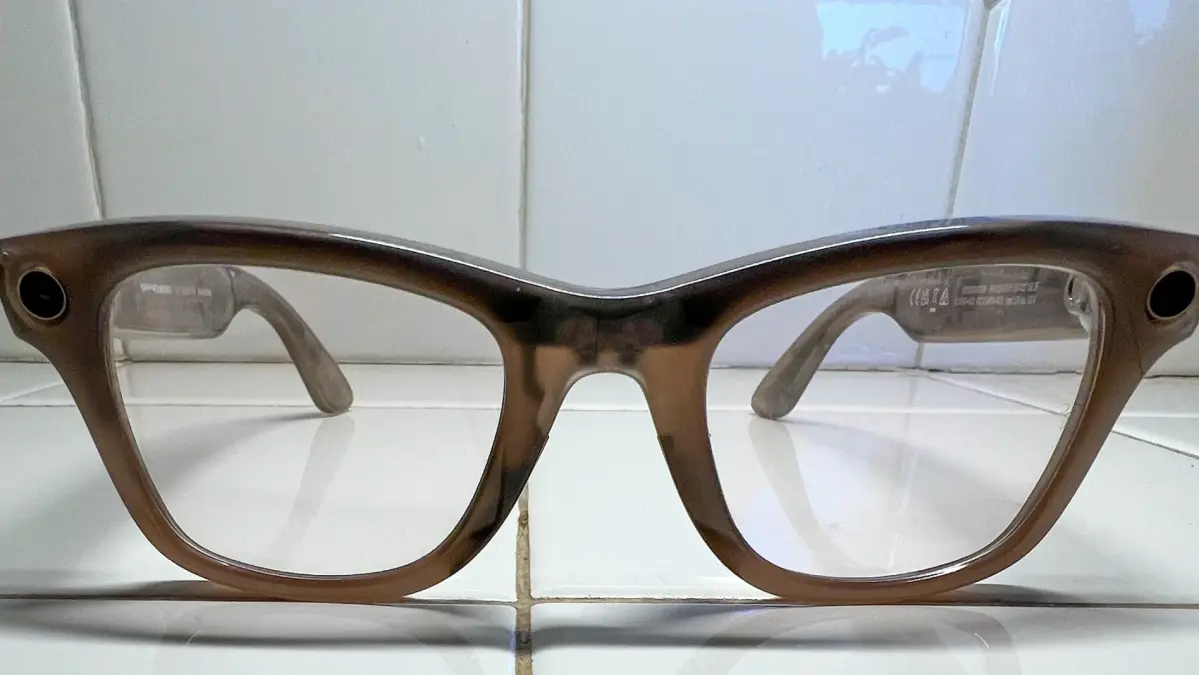
Meta’s Ray-Ban and Oakley shades own about 80% of the smart glasses market in the United States, and it’s not only because they were first to market. Meta glasses look good, are comfortable enough to wear all day, and have an excellent 12MP camera, decent audio, and reliable AI integration. Most importantly, their core features, like the always-ready hands-free camera, instant translation, and instant AI, are useful without being obtrusive. If you can deal with Meta’s sometimes spotty reputation when it comes to privacy, these are great smart glasses. Read my full review here.
Best display style smart glasses: XReal One Pro

Credit: Stephen Johnson
XReal’s flagship glasses are like a multi-monitor PC you can put in your pocket. These tethered glasses plug into your laptop, phone, or game console via USB-C, giving you the equivalent of a 171″ screen for gaming, streaming, or working. What sets these apart from other display glasses is the onboard X1 spatial computing chip that allows for smooth head-tracking, ultra-wide video that wraps around you, and the ability to pin virtual screens wherever you like. You can even combine them with a sold-separately camera and a control puck to bring you even closer to the future. These are hands down the best “portable theater” glasses you can buy right now. Read my full review here.
Best privacy-focused camera glasses: HTC Vive Eagle

Credit: Stephen Johnson
If you want a pair of smart glasses with a camera and AI that rivals the Ray-Ban Metas but you’re concerned about privacy, HTC’s debut smart glasses are for you. Any data they collect is processed locally if possible, and anonymized when sent to the cloud. If the flashing recording LED is covered or damaged, the camera physically will not record, and there’s an option to let people around you shut off the glasses by saying, “stop filming me.” Plus, Vive Eagles lets you choose between Google Gemini or OpenAI instead of forcing a proprietary AI assistant on you. Check out my hands-on video with the Vive Eagle.
Best HUD smart glasses: Even Realities G2

Credit: Stephen Johnson
The market for smart glasses with an onboard display is so new, there’s no way to tell what style is going to win out. There are “do everything” glasses like Meta’s Display and RayNeo X3 Pro, and glasses like EverySight’s Maverick Sport that have a different projection system than everyone else. So far, though, the best HUD style glasses I’ve used are Even Realities G2s. With features like a built-in teleprompter, live multi-language translation, and AI meeting summaries, they are a secret weapon for business types and a “this is the future” experience for techies. The display may be monochrome, but it’s actually useful, and the batteries last longer than an hour. They even look good. Read my full review here.
Best budget smart glasses: XBX a01+

Credit: Stephen Johnson
These display glasses cost $299 and give users a 147″ monitor with a screen quality that rivals glasses that cost twice as much. They don’t have any augmented reality features, a camera, AI, or other bells and whistles, but if you want a face-worn monitor with a great picture and decent sound, these will do the job and then some. They’re light and comfortable for long flights, and they look less dorky than some other display glasses. Read my full review here.
Upcoming smart glasses to watch for
If 2026 has been a good year for smart glasses, 2027 is shaping up to be a great one. If you’re waiting for the next generation of smart glasses before you jump in the pool, here are some of the intriguing models currently in development.
What do you think so far?
XReal’s Project Aura
XReal promises its Aura glasses will blur the line between virtual reality gear and smart glasses. I went hands-on with them recently, and to my surprise, they actually work as advertised: full virtual and augmented reality in a pair of sunglasses (with a tethered computer puck to handle the heavy lifting). Truly mind-blowing. They’re planned for a release in fall 2026 with a price tag under $1,500.
Apple “N50” Smart Glasses
Nothing has been announced officially, but the tech rumor mill is churning about Apple’s plans to release a line of smart glasses instead of further developing virtual reality gear like the Apple Vision Pro. Apple’s first smart glasses will supposedly be released in 2027. These glasses are expected to focus heavily on audio- and camera-based contextual awareness, and seem geared to be an alternative to Meta’s smart glasses, but within Apple’s ecosystem.
Samsung Galaxy Glasses
Galaxy Glasses, a collab between tech giants Google and Samsung, are expected to hit the market before Christmas. With Google handling the software and Samsung the hardware, the initial model of Galaxy Glasses is positioned as a direct competitor to Ray-Ban Metas, focusing on a 12MP camera, open-ear audio, and touch controls, all powered by Google’s Android XR operating system and integrated with Gemini AI.
IXI Autofocus Smart Glasses
Finnish startup IXI turned heads at CES 2026 by showing off a prototype of glasses that use infrared eye-tracking to instantly adjust liquid crystal lenses based on where you are looking. In other words, they change focus on the fly, correcting for farsightedness without the need for progressive lenses. This potential game-changer is expected to hit the market in 2027.