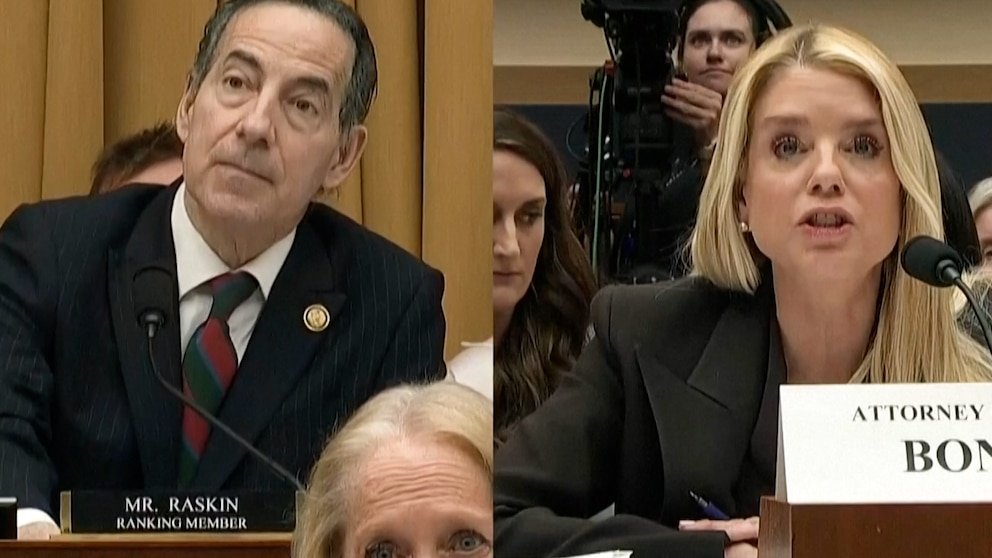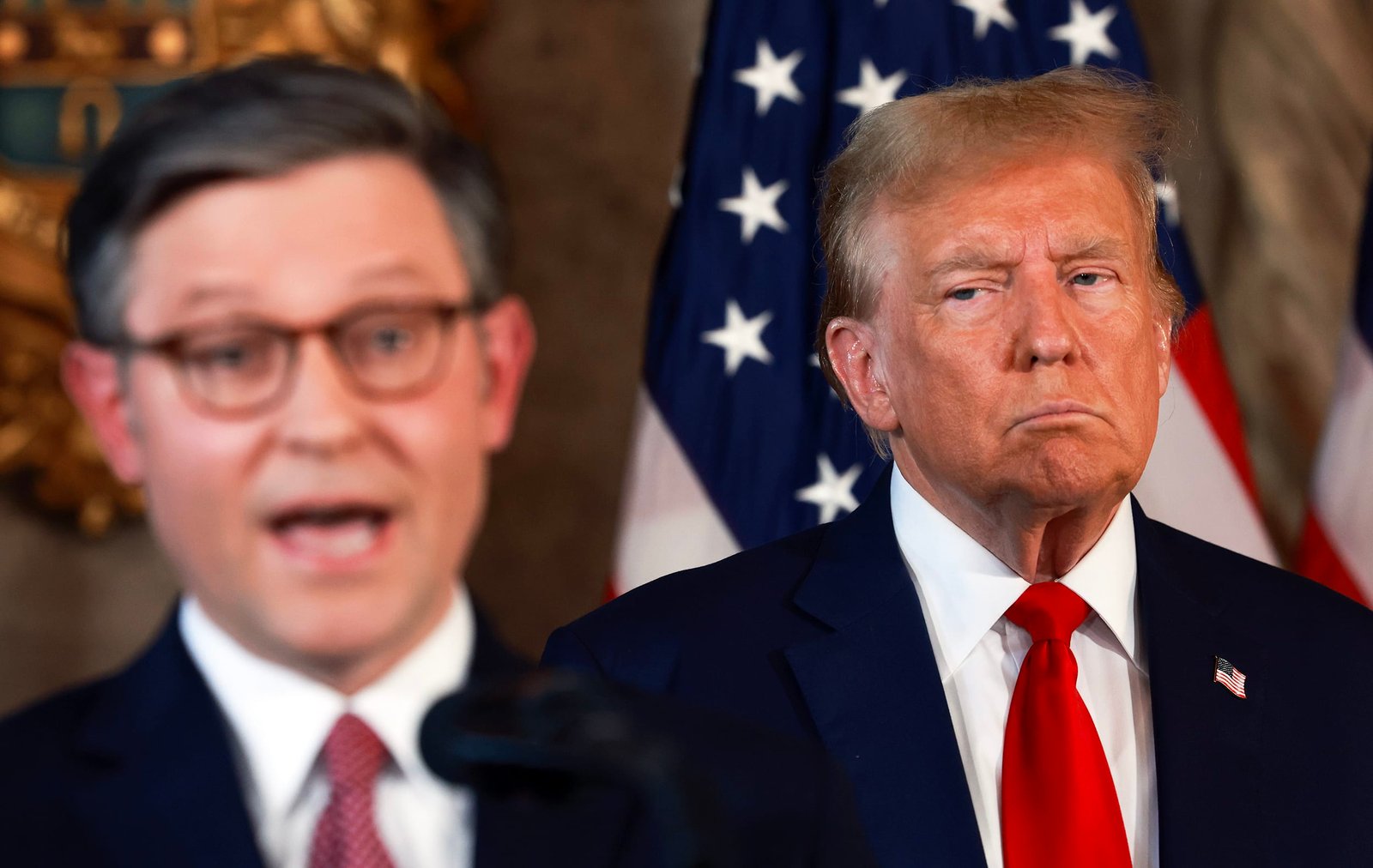

The House of Representatives voted 219-211 on Wednesday to repeal President Donald Trump’s tariffs on Canada. The Senate will take up the matter next, but even if the upper chamber votes to repeal them, the president would almost certainly veto the measure, and the veto would be highly unlikely to be overridden by a two-thirds vote in both chambers of Congress.
If the Trump administration is going to ask Americans to foot the tariff bill, the least it can do is level with them. Instead, the administration is speaking out of both sides of its mouth, advancing one set of arguments before the courts and another in public.
Put simply, President Donald Trump’s tariffs are as unconstitutional as they are harmful to the American people and the economy. Congress should wake up and reclaim its constitutional power to tax. Until that time, Congress’ weakness demonstrates the need for a clear decision on the tariffs from the Supreme Court.
Because so many legislators have shown an unwillingness to preserve their institution’s legitimate power, only the Supreme Court can now protect Congress’ power.
The court is now considering challenges to the president’s tariffs under the International Emergency Economic Powers Act. On Aug. 29, as one of those cases, V.O.S. Selections Inc. v. Trump, was pending before the U.S. Court of Appeals for the Federal Circuit, Secretary of Commerce Howard Lutnick “declare[d] under penalty of perjury” to the court that “[w]ithout the viability of IEEPA tariffs, the United States would be weakened and would lose the essential tool to address” the supposed national emergency.
A month later, Phil Magness, a senior fellow at the Independent Institute, and I warned that the administration would sing a different tune if it looked like it might lose at the Supreme Court.
Right on cue, Lutnick on Dec. 3 told CNBC, “If … the Supreme Court didn’t side with the president, which I think they will, then we have other tools and we’ll put them right in place. Tariffs are here to stay.” That same day, Treasury Secretary Scott Bessent said, “We can re-create the exact tariff structure with” other statutory provisions.
Why, then, would a court striking down Trump’s IEEPA tariffs “lead to dangerous diplomatic embarrassment” and “expose the United States to the risk of retaliation,” as Bessent said in a statement to the Federal Circuit?
The administration’s inconsistencies are not limited to claims made before the Federal Circuit. On Nov. 5, in oral argument before the Supreme Court, Solicitor General John Sauer said of the tariffs, “They are not revenue-raising tariffs. The fact that they raise revenue is only incidental.” Yet, on Jan. 12, Trump posted on Truth Social that if the court ruled that the IEEPA tariffs were illegal, “[i]t would be a complete mess” because it would be “almost impossible for our Country to pay” back all the revenue the tariffs have generated as well as the supposed investments the tariffs have brought in.

Marc Wheat is general counsel for Advancing American Freedom, which advocates for conservative values and policy proposals.