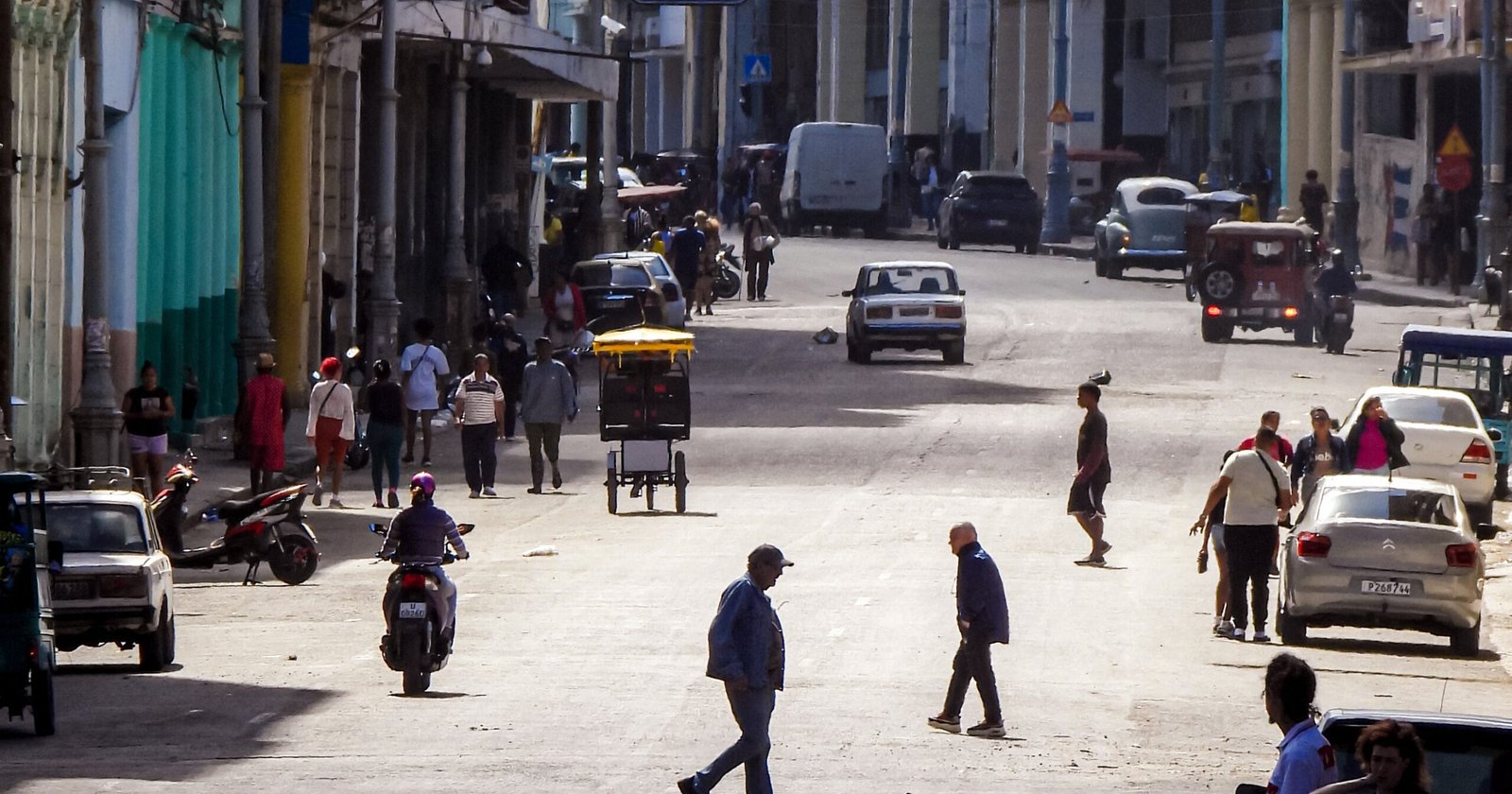

Cuban voices on the island have tried to speak up about their reality, but they’ve been silenced. A trio of laws, including Decree-Law 35, Decree-Law 370, and the 2024 Social Communication Law, criminalize vaguely defined offenses like spreading “fake news” or criticizing the “social interest, morals, good manners and integrity of people,” giving the state wide latitude to monitor, restrict, and punish Internet users. In practice, that can mean a knock on the door at dawn. It can mean an account flagged or a family member called in for questioning. It can mean losing a government job (which, in Cuba, is most jobs) for something posted and shared online. The law doesn’t need to be applied consistently to be effective. It just needs to make people afraid.