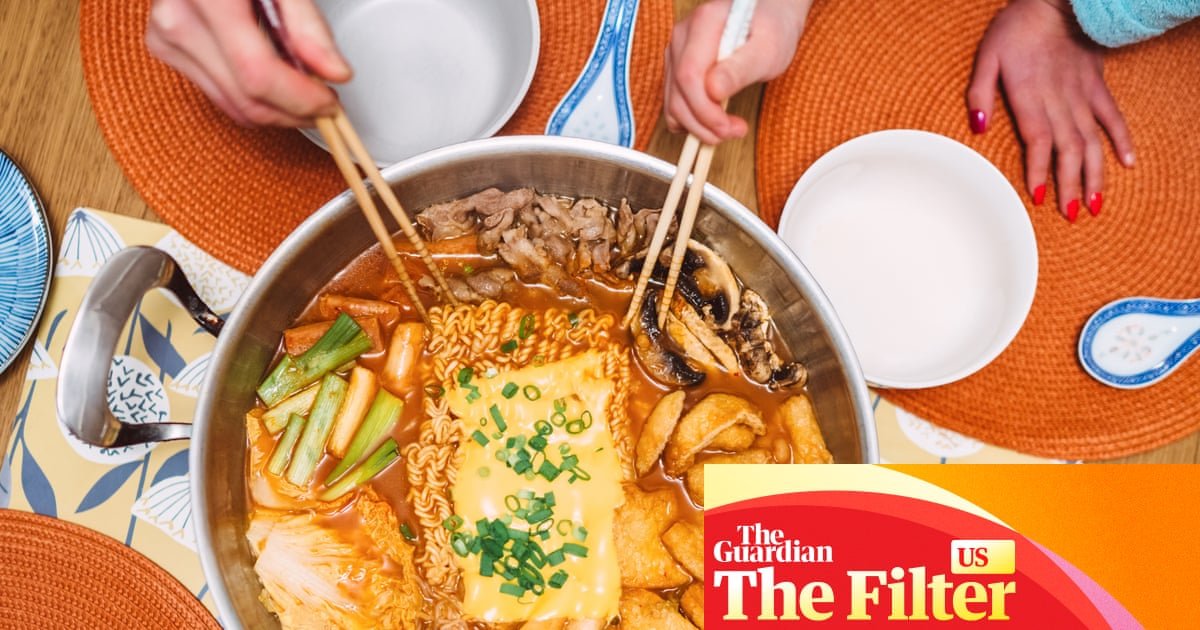

Lunar New Year is coming. It’s cold. You simply would not like to go outside, thank you very much. Here comes hot pot to the rescue: few meals feel more soothing in winter than one that gathers everyone around a big ‘ol bubbling pot, cooking together while talking about nothing and everything.
If you haven’t tried hotpot at home though, it can feel intimidating. Do I need some sort of custom vessel? Do I need to make a pilgrimage to Chinatown for eight different spices? What do I even put in there? Fortunately, thanks to a ton of easy shortcuts, anyone can enjoy this belly-warming ritual without an ordeal.
At a glance
What equipment do I need for a hotpot?
To make hotpot at home, you really only need two things: a portable stove to make it hot, and a large pot to make it… pot. You can use a gas stove, which can double as a camp stove in sunnier months, like this dual-fuel Gas One model that runs on both propane and butane. Or use an induction stove – I prefer this because it heats up quickly and maintains exact temperatures, though you’ll need to find an outlet and mind the wire. Lately, my parents have been trotting out this simple induction cooktop to make hotpot every other week.
Gas One Dual-Fuel Portable Stove
Duxtop Portable Induction Cooktop
You can use any stainless steel pot, Dutch oven or donabe; just make sure it isn’t so deep that scooping food turns cumbersome. And if you’re cooking with induction, make sure to choose induction-friendly cookware such as stainless steel or cast iron. For a classic hotpot vibe, snag one of those pots with a divider for spicy and non-spicy broth.
You can also get an all-in-one hotpot cooker – I know people who find Aroma’s set and Fly By Jing’s convenient. A rice cooker also works in a pinch, but it takes more effort: the “cook” mode will bring water to a boil, but once it’s bubbling and steaming, many basic rice cookers will try to be helpful and automatically switch to “keep warm” mode. For hot pot, that’s not what you want, so you’ll need to supervise the rice cooker throughout the meal and keep manually toggling it between modes.
What’s the best hotpot base?
You might feel you’re supposed to build a base from scratch with mystery herbs. I have good news and bad news: the good news is that you can make a pretty good mild broth by tossing together chicken stock, scallions, ginger, garlic and some sesame oil. The bad news: a really rich broth that tastes like something from a restaurant usually entails all sorts of spices and aromatics and hours of simmering.
But – good news again – to get that deep, complex flavor fast, you can just get a hotpot soup base. All you need to do is boil it in water. These premade hotpot bases are really popular among home cooks. When I was living in Beijing as a kid, my grandparents would briskly grab a premade soup base from the market and no one complained that it wasn’t “from scratch.” To carry on this time-honored family tradition, it’s still the main way I make hotpot.
Fly By Jing’s Fire Hot Pot Base
If I had to pick one base that reliably tastes like I tried harder than I did, it’s Fly By Jing’s Fire Hot Pot Base. Just drop a pouch into your pot of water or stock and heat it to a boil.
It’s made with doubanjiang or pixian broad bean paste, which is an earthy, spicy condiment you may have tasted on mapo tofu and other Sichuanese dishes. It also includes Sichuan pepper extract, ginger, garlic and onion, plus warming spices like star anise, cardamom, cinnamon, fennel, and cloves. You get a savory funk from the fermented bean paste, a cozy, almost sweet note from the spices, and enough tingly heat that’s numbing but not too much.
When I brought it to my parents’ place on a visit, it was spooky how similarly their kitchen ended up smelling like this roadside Sichuanese restaurant I frequented in high school. (It smelled really good.) It adds a kick to fatty slices of lamb and beef, and even more when absorbed into veggies and noodles – we used napa cabbage, bok choy, shiitake mushrooms, winter melon, carrots, potatoes and glass noodles.
You can use it to make other dishes too, such as ramen or a seafood boil. It’s also sugar-free, vegan and has no MSG, although the harms of MSG have been disputed.
What about milder bases?
Little Sheep is a classic – I grew up having this one. The plain base is savory without being aggressive about it. I like the mushroom broth too, though some may find it a little salty. Very weeknight-friendly.
Little Sheep Original Soup Base
Little Sheep Mushroom Soup Base
If you don’t do spicy, Haidilao’s tomato broth is a great gateway option from the most popular hotpot chain in the world. It’s bright, slightly sweet and less intense than a chili-centered base.
Haidilao Tomato Soup Base
What should I know about hotpot soup bases?
All of these bases are concentrated, which means you need to dilute them with water or stock and bring them to a boil before adding ingredients. Some bases can be saltier or spicier out of the pouch, so taste it to see if you’d like to customize with more water, stock or spices. A hotpot base is something that can be so personal. I like to throw in a few slices of fresh ginger and scallions even when using one.
If your crowd has mixed spice tolerance, try split broths or starting mild and letting people add chili oil to their own bowls. Be careful of the opposite too: Fly By Jing’s base is already hot, but I went nuts mixing chili oil and shacha sauce into my dipping sauce. The combo felt a little like a spice bomb going off in my mouth.
As the hotpot cooks, the broth will reduce, so keep extra hot water or stock nearby to top up as the night goes on. The best part is that it will taste richer and richer the more you cook in it. Save the leftover broth for future soups and stews – we used it for beef noodles the next night.
What goes in the hotpot?
Like the stone soup in that children’s story, the answer is really just: whatever you want. Usually, hotpot ingredients span three categories: proteins, veggies and noodles. Purists like my dad insist they need to go in the water in that order too, but you’re free to throw in things to your heart’s content. The hotpot is your oyster. (Throw that in, too.)
For proteins, you’ll usually want slices of lamb, beef or pork thin enough that you only need to dip them in the soup for 30 to 60 seconds. (Less if you like them rare, more if you like them done.) Shrimp and springy, chewy fish balls work well too. Sometimes I’ll throw a few eggs in there. Hotpot also varies among regions; I grew up eating Beijing-style hotpot, which focuses on lamb and mutton in a milder broth than Sichuan’s signature málà (meaning numb and spicy) version.
Hotpot is a great clean-your-fridge meal. You can add anything languishing in the back of your fridge, the way my parents did with orphaned pieces of carrots and potatoes. Otherwise, napa cabbage, lettuce, mushrooms, fried or firm tofu, bamboo shoots and crunchy lotus roots are popular vegetables that soak up lots of flavor and add fun texture.
As for the starch, glass noodles and udon are common. Some of my favorite hotpot meals only had instant ramen. A lot of Asian markets also sell fully prepped, plastic-wrapped sets of fresh hotpot ingredients, including meat, veggies and noodles.
What else do I need?
Slotted or mesh ladles make it easy to scoop food out of the broth, and large chopsticks or tongs can be used to grab just one slice of meat, or a nest of noodles. These specially designed ladles can hook onto the lip of your pot. But if you just want to eat without fuss, you can use regular soup ladles and human-sized chopsticks as well. The food will taste just as good.
Patelai Slotted Ladle Set
At Haidilao, servers hand out bibs, hair ties and even wipes for your glasses when they fog up from that glorious steam. None of it is strictly necessary, but it makes the whole thing feel a bit theatrical, like you’re gearing up for a brothy battle. They can ham up your own hotpot party too.