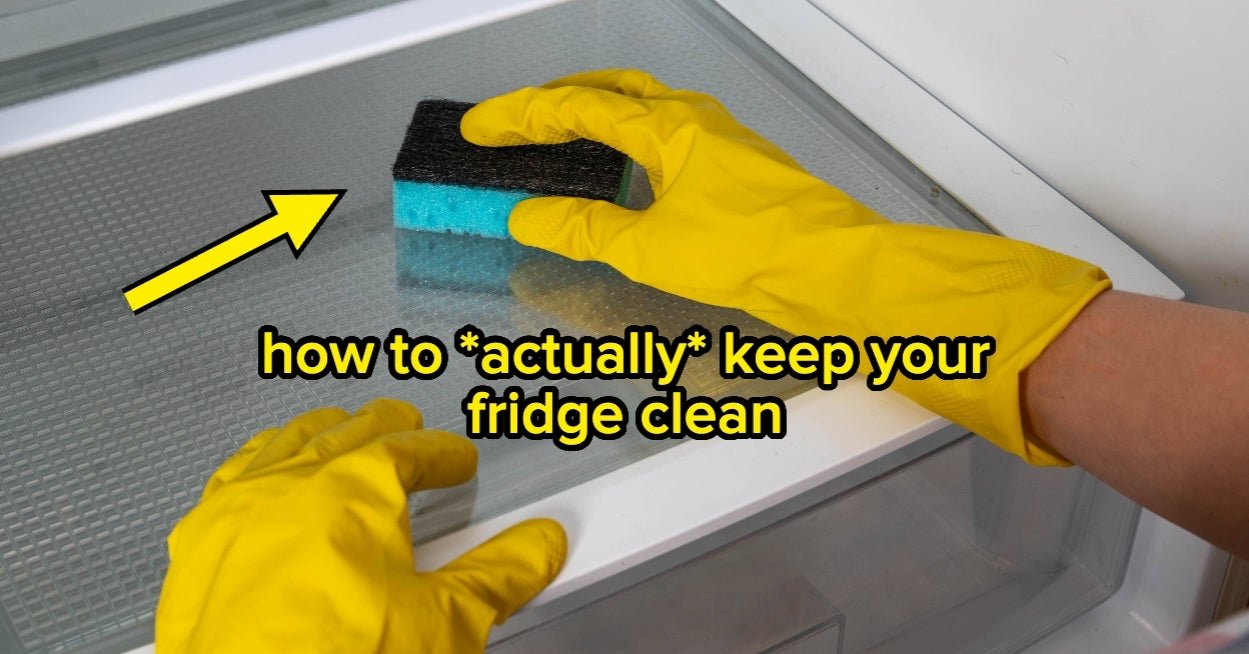

Since rotting food leads to grime and unwanted smells, I asked how to prevent this altogether. It turns out that organization plays a major part in keeping food fresh.
“I would keep raw meats sealed and stored on the lowest shelf, use clear containers so you can see what you have, and allow space for airflow,” Sarbit said. “A fridge that’s packed too tightly doesn’t cool evenly, which of course will shorten the shelf life.”
Trunz also recommends using refrigerator and pantry bins to organize. “Label bins for yourself and for others helping in your home so everyone can finish the task and put things where they belong,” she said. “This also makes it easier to create a grocery list when you see products getting low.”
Additionally, it can be helpful to “pull forward the items you need to prepare soon so those items don’t expire.” She added, “Take note of what needs to be cooked [and] make a list of meals to prepare for the week ahead based on what you already have.”
She also swears by a fridge-cleaning challenge: “Every once in a while, my husband and I [see] how long we can go without going to the grocery store. We eat from the pantry, refrigerator, and freezer. This pushes us to get creative and prevents food from being thrown out. There are even fabulous food apps where you input the ingredients you have, and amazing recipes are generated.”