
About TTT
Transformational Tools and Technologies
The Transformational Tools and Technologies (TTT) project conducts cutting-edge, foundational research and delivers impactful solutions that are vital to NASA’s missions in aviation and space. TTT advances the state of the art by integrating innovative methods and world-class computational, experimental, and flight capabilities to transform aerospace engineering and discover the future of flight.
Scroll to Continue
How TTT Approaches NASA’s Challenges
TTT applies agile, innovative thinking when tackling NASA’s near- and long-term challenges ahead and formulating solutions to drive innovation and discovery. NASA’s decades of leadership in developing computational and physics-based methods used to address NASA’s challenges are now enhanced by advances in high-end computing, machine learning, and AI.
Technical Excellence and Design Acceleration
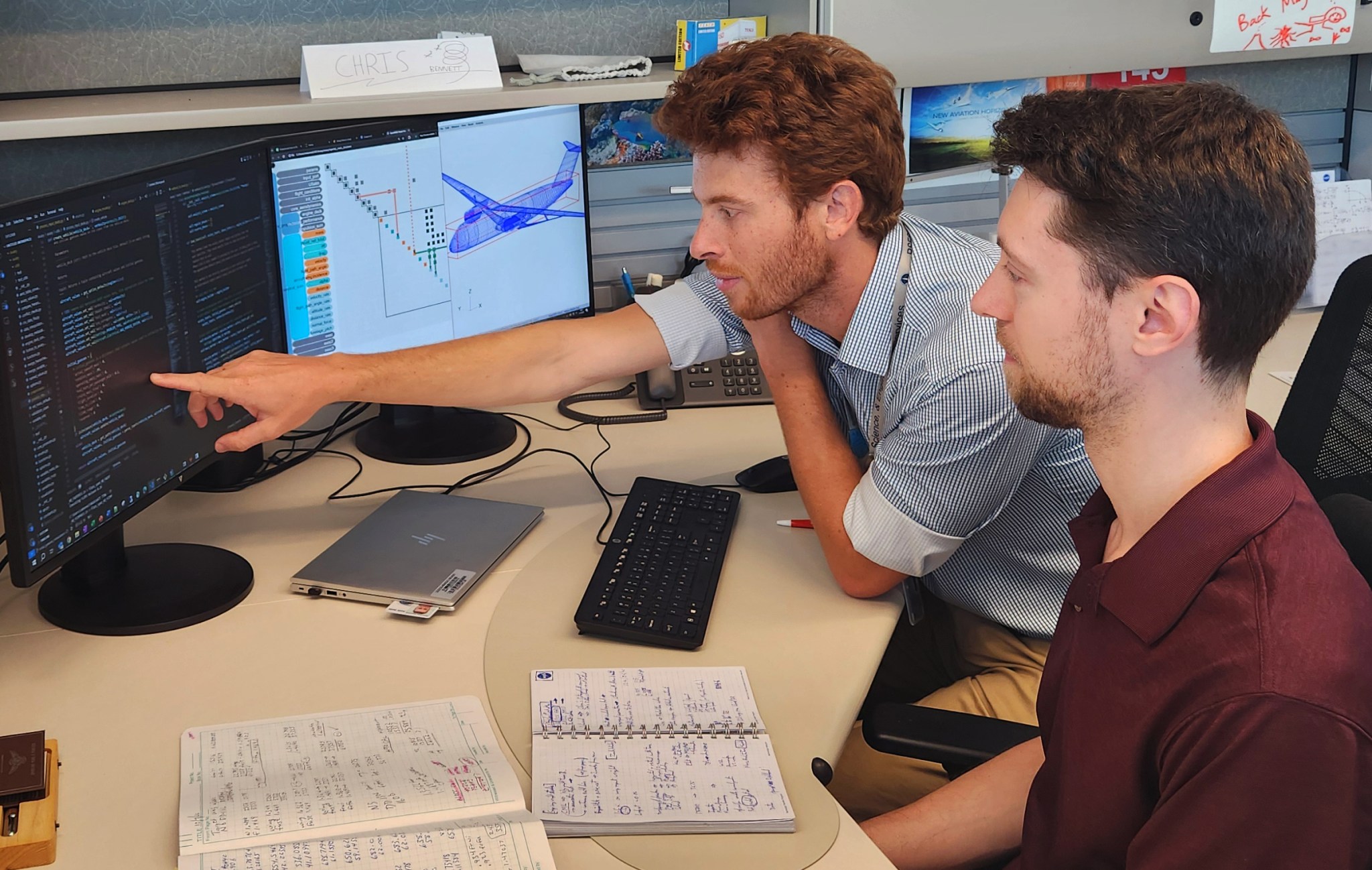
TTT accelerates the design cycle by integrating computational, experimental, and flight test excellence to enable real-time analysis, quick redesign, and rapid testing iterations. The project applies its robust engineering methods and unique test capabilities across multiple disciplines to reveal intricate physics for complex systems. The results deliver the knowledge that aerospace engineers need to solve challenges for both aeronautics and space exploration efforts.
Materials and Manufacturing Innovation
TTT’s revolutionary approach results in breakthrough materials such as GRX-810, Nickel-based superalloys, and shape memory alloys by leveraging the latest development in computational materials modeling, machine learning, and additive manufacturing. The project also strengthens U.S. competitiveness in aerospace by using efficient methods for materials discovery and innovative approaches to advance the manufacturing and certification of various materials vital to the aerospace industry. TTT’s data-driven and physics-based approaches create materials databases that can interface with machine learning algorithms and computational materials methods.

Innovative solutions through foundational research and cross-cutting methods
Propulsion and Energy Exploration
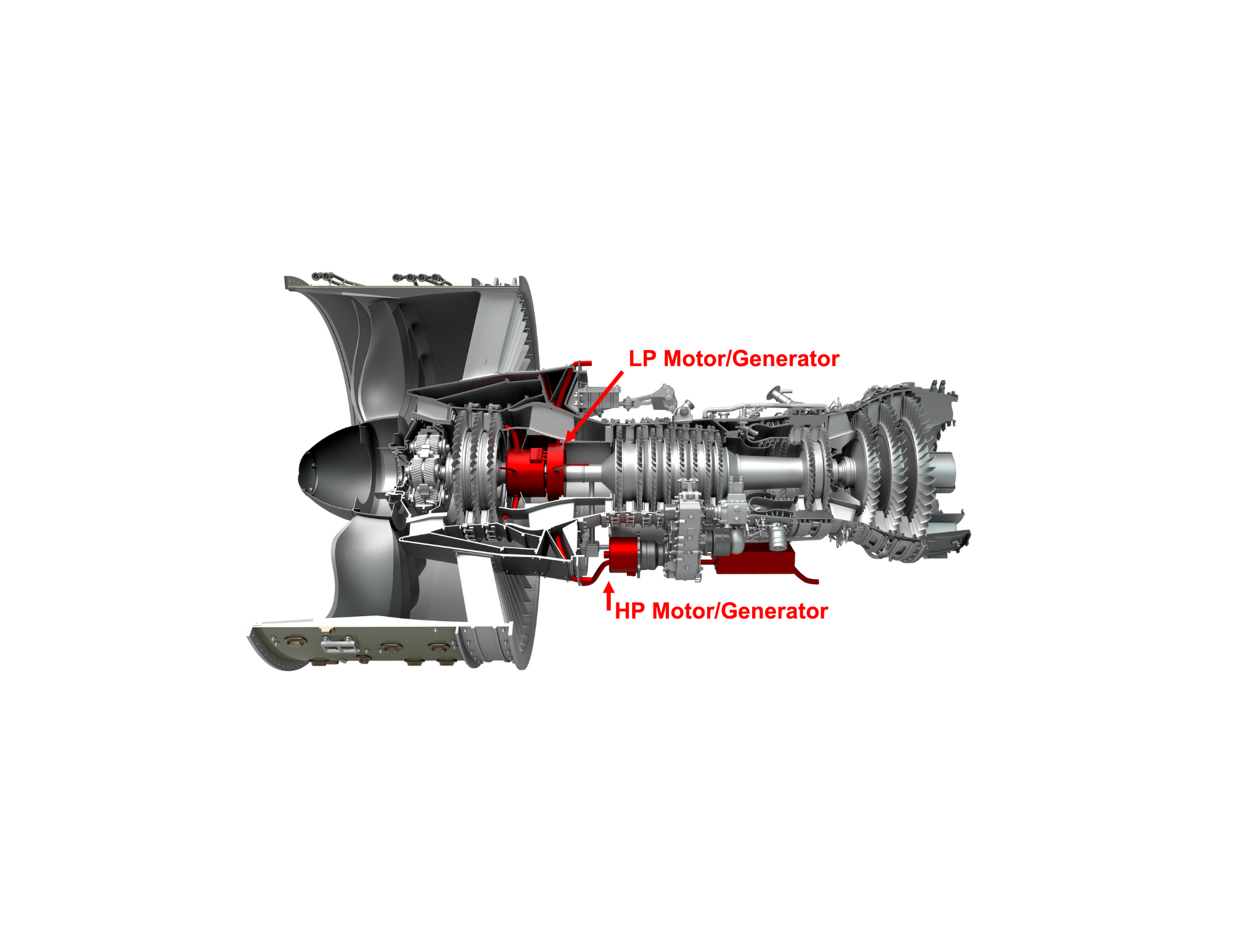
TTT explores how advanced hybrid electric propulsion systems can enable new aircraft designs that will increase options for regional air travel while remaining economically competitive with existing travel options. The project leverages NASA expertise in controls, electrical systems, propulsion research, advanced motors and drives, and thermal management to investigate
unique propulsion airframe integrations for next-generation electrified aircraft. TTT collaborates with emerging U.S. companies to research new airframe designs that will revolutionize future airline operations. These partnerships can improve the public’s flying experience by allowing more convenient, affordable, and quiet air travel out of smaller, local airports with minimal layovers.
Community Building
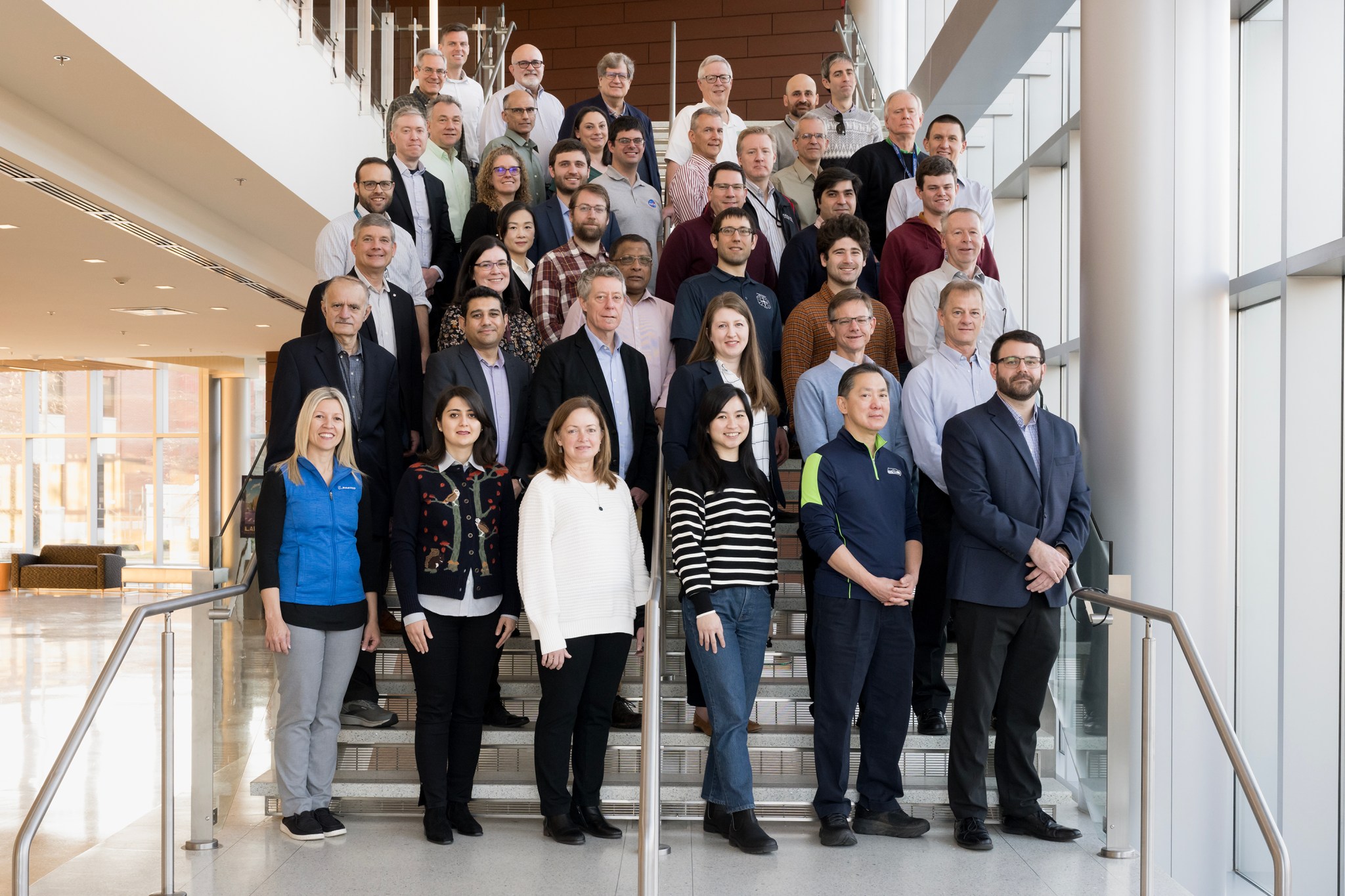
TTT maintains robust partnerships with industry, academia, and other government agencies to advance its research goals and discover ground-breaking, transformative solutions. The project leads vision studies, leveraging the aerospace community to evaluate the most critical challenges impacting the future of aviation. The vision studies generate a prioritized list of potential high-value research that is appropriate for NASA, guided by input from the aerospace community on what is needed to revolutionize aviation.
TTT’s Impact
Many of the project’s breakthroughs and discoveries in these areas are making impacts around the world and delivering significant value for the aerospace community and the Nation. TTT’s mission includes ensuring its technologies are adopted across NASA and industry to drive aerospace and aviation innovation forward.
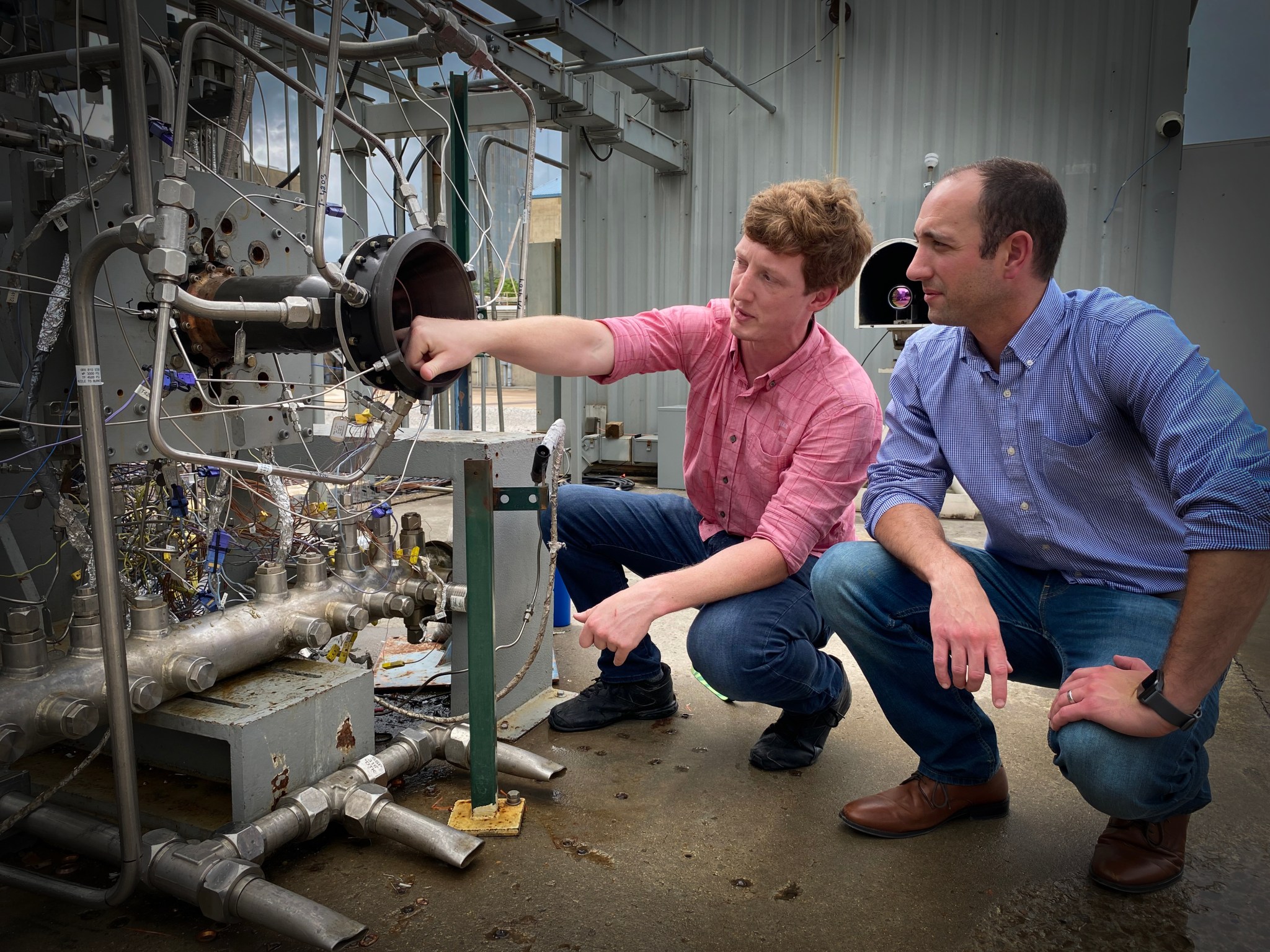
Resources
Vision Studies, Analysis of Alternatives (AoA) Studies, and White Papers
Explore the strategies and goals driving TTT’s innovation guided by input from the aerospace community on what is needed to revolutionize aviation.
Read and Download TTT Resources about Resources

Explore More



About the Author

Anisha Engineer
Share
Details
Related Terms
The post About Transformational Tools and Technologies (TTT) appeared first on NASA Science.