
Just weeks after it went on show in England for the first time
in almost 1,000 years, the Bayeux Tapestry is being put under a
protection order it really doesn’t need. As people queue round the
block to see one of the most famous art works in the world, the
British Museum has said visitors are no longer allowed to take
photos. It’s completely the wrong decision.
The Museum, which gets to look after the Tapestry for around a
year after the unprecedented move to allow it out of France, has
said that visitors taking snaps of the tapestry are causing delays
and so to keep everyone moving, photos are now banned.
Tickets have been sold on a timed entry basis and people are
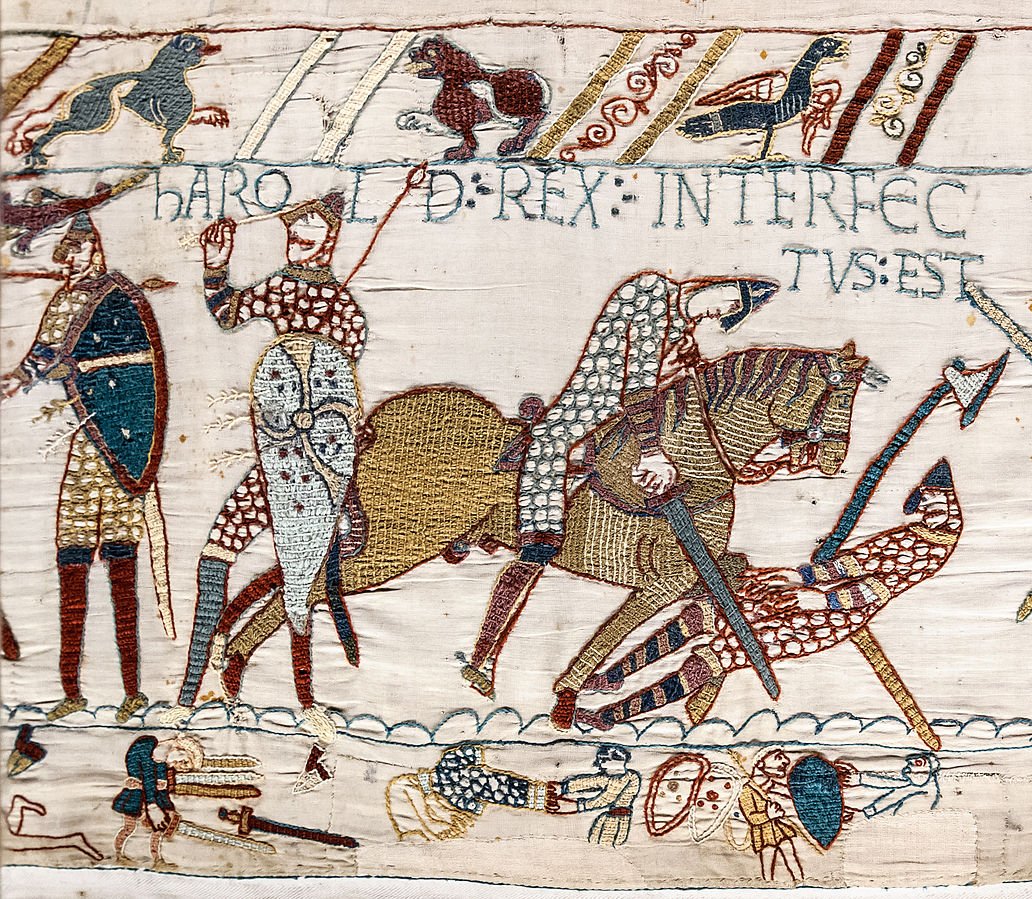
restricted in how long they have to look at the 70 feet long work
which tells the story of the Norman Conquest of England by William
the Conqueror in 1066. However, the Museum says that visitors
stopping to record their up close experience with history are
making the flow through the exhibition too slow and so now,
everyone is banned from taking their own photos.
In a statement, the British Museum said ”There has been enormous
interest in viewing the tapestry, and our priority is to ensure
that all visitors have the best experience possible. In order to do
this, we have made the decision to restrict photography while
people are moving along the length of the tapestry.”
It means that the tens of thousands who have already bought
tickets for the display, which runs until July next year, will have
to rely on postcards and souvenirs for a memento. And that just
isn’t right.
Ultimately, all history and art – and the tapestry is both –
belongs to all of us. To stop people taking a few photos of this
once in a lifetime experience goes against that very principle. The
tapestry isn’t something that can be banned from access. If this
rule was to protect its delicate fabric from over exposure, that
would be understandable. However, to bar people from taking their
own reminders of it is just a rule to suit a few and history
doesn’t bend to that.
Putting on an historic exhibition now is much harder than it was
when the British Museum was showcasing word famous history in
exhibitions in the 20th century. No doubt the tapestry has already
seen plenty of people making reels of themselves watching history.
Content creators, of which there are now tens of millions, have
most likely made many videos of themselves talking about how
marvellous it is to see such a wonderful piece of history while
getting up close with the tapestry. Some of them are, no doubt,
deeply annoying. If you’re holding up dozens so you can talk to
yourself, largely about yourself, while pretending it’s all about
the history then you do need to move along. But that’s manageable
with stricter staff and a warning beforehand that excessive
stopping will be, well, stopped.
However, to tackle that with a blanket ban on everyone
photographing the tapestry is just wrong. For thousands of people
this is the only time they will ever see one of the most famous
things in the world. The Bayeux Tapestry is legendary. Just about
everyone who went to school anywhere in the UK in the last century
has been told about it. William the Conqueror, Hastings and 1066
and all that are just things just about everyone knows about. This
quite frankly bonkers tapestry, with its almost cartoon like
figures, is an integral part of the story of western Europe. It’s
also a living example of early medieval propaganda and an exquisite
work of art all at the same time. It isn’t up to anyone to say no
photos and especially not if the reason is that it makes the admin
a bit trickier.
There are thousands queuing and paying big bucks to see history
living and breathing. And yet they are being told that it’s not
their place to take a photo of it in case it upends a queuing
system. Their ticket price includes a carefully timed speed date
with the Tapestry but no chance to make a memory of it. For British
historians, it’s a real loss. The Tapestry is an epic piece of work
and analysis of its many panels and illustrations is ongoing. This
is a vital chance to keep on questioning, looking into and
describing the story it tells and its own story, neither of which
are anywhere near closed. Instead, experts both acknowledged and
hidden, must take a mental snapshot and see where they go from
there.
And then there are just those who want to come along, have a
look, have a day out and have a photo to remember it by. There is a
need to keep queues moving so that everyone can get a chance to
have their moment with the Tapestry but a few seconds here and
there to take a photo won’t stop that. And that’s what most people
are doing. There are a handful who are there to make videos for
their 83 followers. Crack down on the ten minute selfies and just
let everyone else alone. Is it really so bad to let people stop
every now and again to take one snap?
The answer would appear to be yes. Instead of drilling down on
those causing real issues, a blanket ban has been put in place and
it comes with one very real problem. It’s denying people the chance
to take and make their own impressions of a piece of history that
has shaped thoughts for centuries. The Bayeux Tapestry is bigger
than us all. Putting it behind a ringfence of administration to
keep queues moving implies that it’s not. That’s where this ban is
wrong. Millions of eyes have fallen on it over centuries, it was
commissioned to be seen and to make sure that even those who
couldn’t read or write got the message about William conquering
all.
It was designed to be viewed over and over again by many.
William the Conqueror, in some ways, created, modern England. Part
of that culture is a reputation for liking a queue so a little bit
of an extra wait isn’t going to annoy many. But, most importantly,
history isn’t the privilege of a few. The Bayeux Tapestry was the
social media of its day. If it takes a little longer to reach the
gift shop because people are taking photos, well, isn’t that just
history repeating itself in a rather happy way?