
About
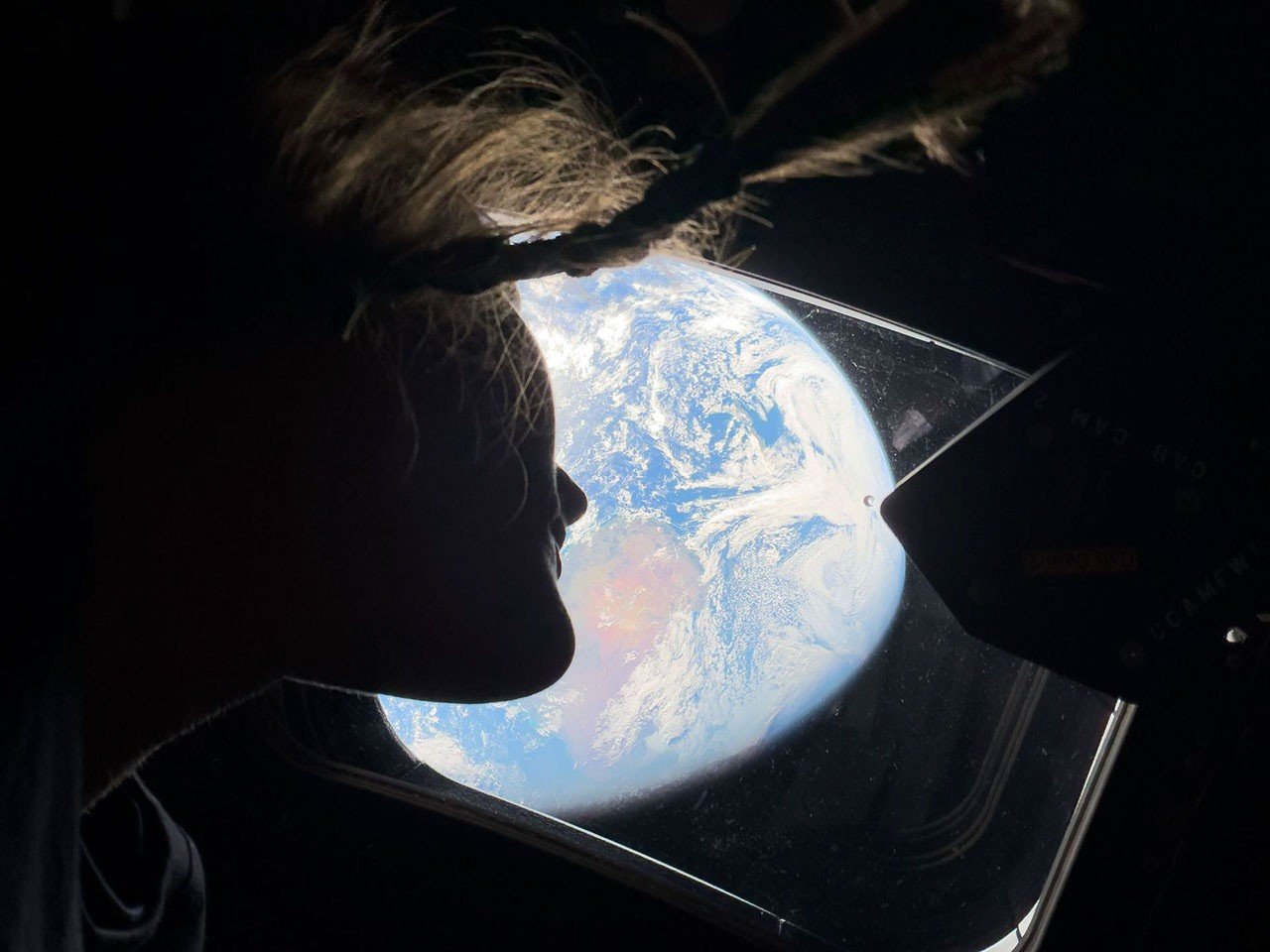
Visualization research has long focused on representing places people already inhabit. This panel extends that discussion — introducing placemaking as a new framing that asks how visualizations can actively construct meaning for places that cannot be directly experienced, either because they are spatially unreachable, as with the Moon or Mars, or temporally inaccessible, as with coastlines reshaped by sea level rise. What makes these cases distinctive is that real data exists — from Earth observation systems, climate models, and planetary missions — and real decisions are being made. Yet the places themselves lie beyond direct human experience.
We argue this creates a new demand on visualization: to do the work of placemaking itself, constructing scale, orientation, emotional resonance, and trust directly from data. This raises core research questions for the VIS community: How do we evaluate whether a visualization of an inaccessible place builds trust and enables actionable decisions? What interaction paradigms help users navigate the boundary between what is grounded in data and what remains unknown? How should uncertainty be represented without undermining the engagement needed for learning and decision-making? And what does sensemaking look like when a place is real but unreachable?
This panel brings together researchers and practitioners in narrative visualization, climate intelligence, urban planning, and mission-critical training for space exploration, working in traditional media, XR, and large-scale immersive venues. Discussion will build on recent IEEE VIS discourse on uncertainty, narrative, and embodied visualization to address the question: (how) can visualization transform a space into a place when lived experience is absent? Session participants will develop a community-generated research agenda through structured audience participation, with the aim of inspiring new research directions and future collaborations.
Panelists

Ryan Wyatt
American Museum
of Natural History
Markus Elkatsha
MIT Media Lab
Narges Mahyar
City St George’s,
University of London
Organizers
Helen-Nicole Kostis
NASA Scientific Visualization Studio
Science Technology Corporation
Goddard Space Flight Center