
King Charles has become the first British monarch to reveal how
much tax he pays, disclosing that he handed £12.9 million to HM
Revenue & Customs during the 2024-25 financial year in an
unprecedented move designed to increase transparency around the
monarchy’s finances.
The figures, published in the Royal Household’s annual accounts,
place the King among Britain’s highest taxpayers and mark the first
time a reigning sovereign has voluntarily disclosed the size of
their tax bill.
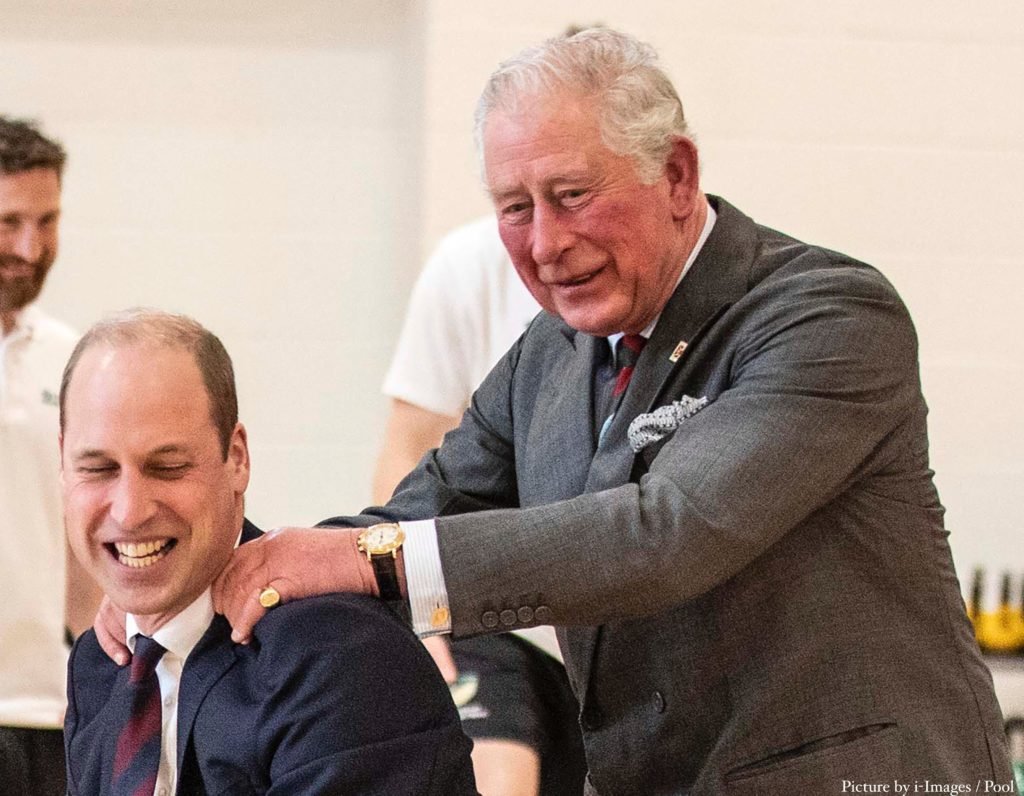
The Prince of Wales also revealed that he paid £7.76 million in
income and capital gains tax over the same period, with Kensington
Palace saying the decision reflected Prince William’s commitment to
greater openness over his financial affairs.
According to Buckingham Palace, the publication of both men’s
tax payments was a personal decision intended to “encourage wider
understanding of our accountability”. Since Charles became King and
William inherited the Duchy of Cornwall, the pair have collectively
paid more than £50 million in tax.
Neither the King nor the Prince of Wales is legally required to
pay tax. However, the practice has continued voluntarily since
1993, when Queen Elizabeth II and the then Prince of Wales agreed
to begin paying income tax following criticism over royal
finances.
The latest accounts do not provide a detailed breakdown of how
either man’s tax liability was calculated.
Charles receives his private income primarily from the Duchy of
Lancaster, a historic portfolio of land, commercial property and
investments that provides the reigning monarch with an independent
source of funding. The estate generated an income of £25.2 million
during 2025-26. The King also pays tax on income derived from his
private estates at Balmoral and Sandringham, together with personal
investments and savings.
Prince William’s income is derived from the Duchy of Cornwall,
the billion-pound estate traditionally held by the heir to the
throne. Kensington Palace said he pays income tax at the highest
rate on any net surplus after official costs have been deducted,
with those deductions independently audited.
William has also decided to forgo the £1.5 million annual rental
income previously generated by Dartmoor Prison. The money will
instead be directed towards regeneration projects in the nearby
community of Princetown after the prison closed in 2024 following
the discovery of high levels of radon gas.
The annual accounts also revealed wider changes to royal
finances. From 2027-28, the Sovereign Grant will be set at £99.9
million a year under a new funding formula agreed by the Royal
Trustees, down from the current £137.9 million as the decade-long
refurbishment of Buckingham Palace comes to an end.
Although lower than the current level, the grant remains
substantially above the £51.8 million received three years ago.
Palace officials said the funding would support the maintenance of
historic royal residences, strengthen cyber security and finance
environmental improvements, including an £11 million programme to
replace ageing boilers at Windsor Castle.
James Chalmers, the Keeper of the Privy Purse, rejected
suggestions that the funding represented excessive public spending,
insisting the Sovereign Grant was “not a blank cheque”. He said
expenditure was subject to Treasury oversight, independent audit
and strict value-for-money requirements, adding that the grant
funded “the work of the institution – not private lives or private
wealth”.
The accounts also confirmed that King Charles and Queen Camilla
will continue living at Clarence House after the £369 million
refurbishment of Buckingham Palace is completed next year. Palace
officials said the decision would allow greater public access to
the historic building while Buckingham Palace continued to serve as
the ceremonial and administrative headquarters of the monarchy.