
In April 1926, the papers were filled with royal news as the
countdown to the arrival of a new prince or princess entered its
final stages. The Duke and Duchess of York, who would later become
King George VI and Queen Elizabeth, were expecting their first
child. The much anticipated baby would be third in line to the
throne but a life of obscurity, as a monarch’s cousin, appeared to
await. History had other ideas. Royal Central looks back at the
countdown to the birth of the baby who would grow up to be Queen
Elizabeth II.
Moving tale
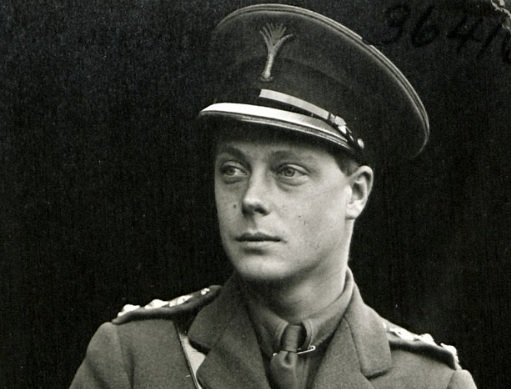
The Prince of Wales occupied many minds on April 8 1926. The new
royal baby was still thought to be about a month off arriving and
so attention turned to their most famous royal uncle. Edward, then
32 and the most famous heir to a throne in the world, had been
unwell, suffering from the flu which had led to an ear infection
that ended up requiring minor surgery. Now, the Sheffield Daily
Telegraph reported, he had been told to get some sea air. The
only problem was that he couldn’t find anywhere suitable to
stay.
The issue, the paper said, was that ”no member of the Royal
Family could lend him a seaside house.” It went on to list a
number of properties and their problems, including Sandringham
which ”has an inland climate” but came closer to the real
issue when it noted that ”Carisbrooke Castle, the official home
of Princess Beatrice, in the Isle of Wight, is nearer the sea than
any other Royal residence but the Prince has no desire to stay
there.” Edward already preferred the headier climes of the
continent and a long weekend with Great Aunt Beatrice on the Isle
of Wight couldn’t come close.
Football crazy
The routine of the year ground on and The Manchester Evening
News was particularly interested in the upcoming FA Cup Final
where Manchester City were set to take on Bolton Wanderers. Showing
it had its priorities straight, its latest in depth report started
with news of the pitch condition (”almost perfect”) before
looking at the issue of ticket touts and what could be done to stop
them ripping off fans desperate to see their team play.
At the very end of the report, and showing that some things
never change, was a discreet line which read ” we are not yet
in a position to say whether any member of the Royal Family will be
there.”
In the end, King George V went along to the match on April 24 to
cheer on both teams and present the Cup. The Manchester Evening
News was less thrilled with the result – Bolton won 1-0.
A hint of history
All roads led to the royal baby in April 1926 and many papers,
including The Scotsman, covered the news that King George
V and Queen Mary had been to call on the expectant parents, the
Duke and Duchess of York, at their new home at Bruton Street. The
couple had moved there on April 6, straight after their Easter
break. The house was the London home of the duchess’ parents, the
Earl and Countess of Strathmore. However, the Lincolnshire
Echo, suggested another reason for its choice.
Albert and Elizabeth had been living in a rented property since
their marriage in 1923. The Duke of York was second in line to the
throne but not expected to succeed as his older and very glamourous
brother, Edward, Prince of Wales, was the most eligible bachelor
around and destined to marry and provide a line of kings to follow
him when he took the throne in time. And so the royal baby was good
news but not really considered a future monarch. Enter The
Echo.
In its London Gossip column, on April 8, it wrote that whispers
were that Albert and Elizabeth had had to move. It reported that
”it is said that the idea that a possible Sovereign might be
born in house temporarily rented was not liked in certain
quarters.”
And so one of the first mentions of the baby as a Sovereign
appeared, just days before their birth. In the end Albert did
succeed to the throne when his brother, Edward, abdicated to marry
Wallis Simpson. By then, the royal baby of 1926 was a ten year old
princess who became heir to the throne and who, in 1952, ascended
as Queen Elizabeth II, the longest reigning Monarch in British
history.