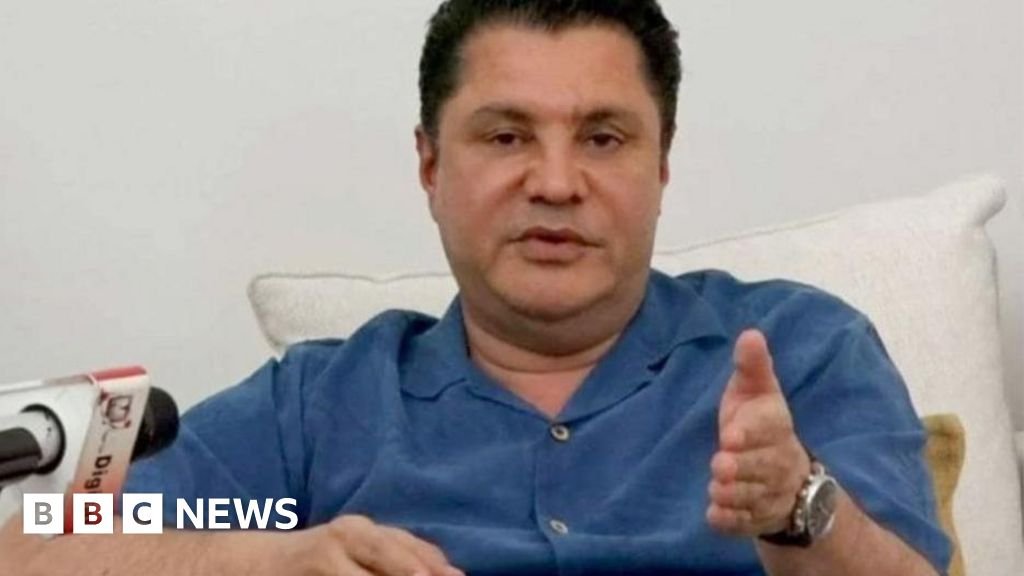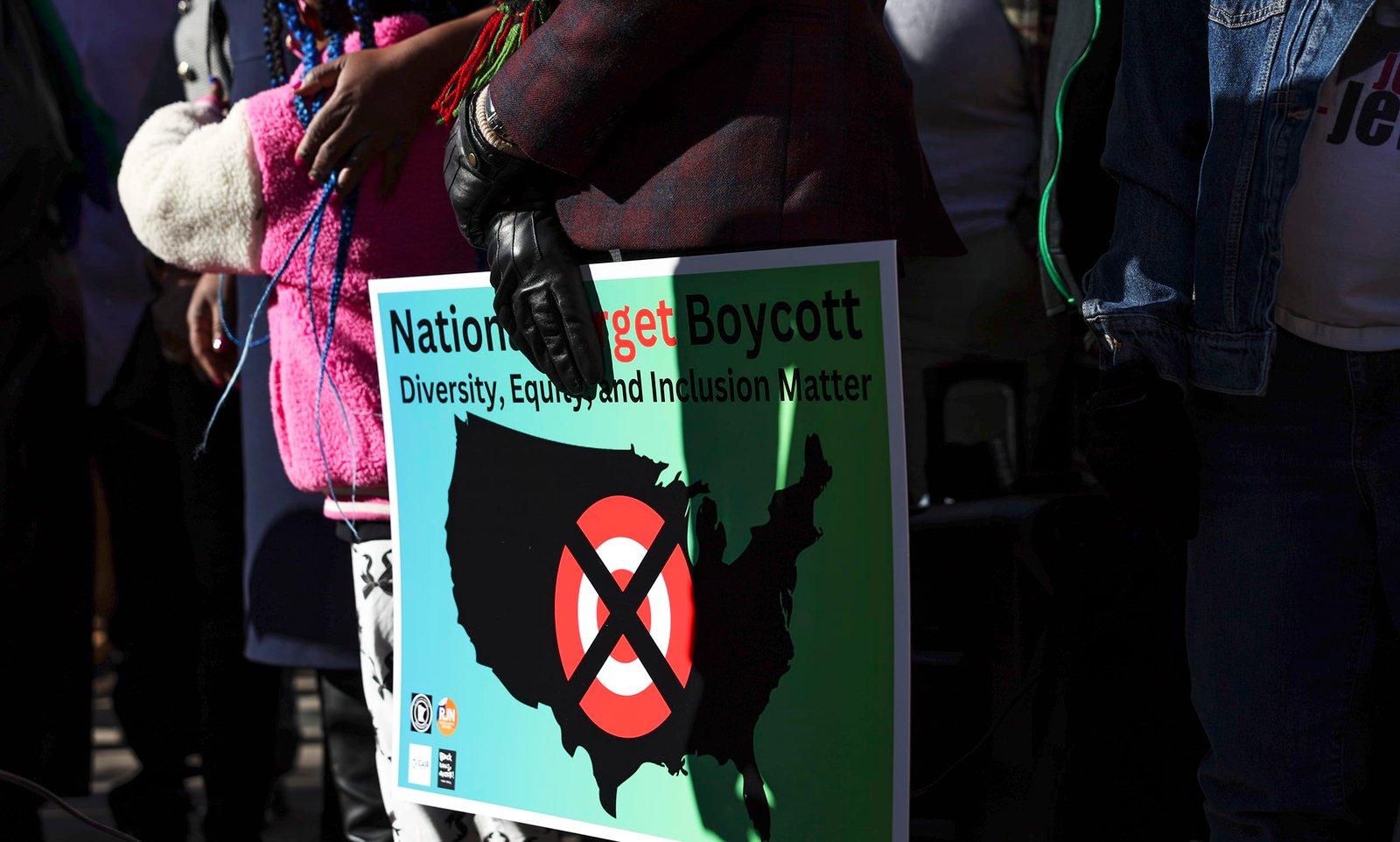

Earlier this week, an Atlanta pastor of a mega church held a press conference—some might even call it a commercial for Target—announcing that the boycott against the retail giant had ended. But the National Target Boycott is a grassroots movement that the Rev. Jamal Bryant did not start and that he has no authority to end.
On Jan. 30, 2025, I and two other Minnesota organizers — Monique Cullars-Doty of Black Lives Matter Minnesota and Jaylani Hussein of CAIR Minnesota — stood outside Target’s corporate headquarters in Minneapolis to announce a nationwide boycott to begin on February 1, the first day of Black History Month.
For many of us in Minneapolis, the company’s swift capitulation to Trump was stunning.
During the first week of Donald Trump’s second term, his administration launched sweeping attacks on diversity, equity and inclusion initiatives across government and corporate America. Our call to action followed a shocking decision by Target’s leadership days later to roll back key DEI commitments it had made.
For many of us in Minneapolis, the company’s swift capitulation to Trump was stunning.
Minneapolis is where police murdered George Floyd in 2020 and sparked a global reckoning on racial justice. In the months that followed, Target pledged $2.1 billion toward advancing racial equity: $2 billion in spending with Black-owned businesses by 2025 and more than $100 million in investments and resources supporting Black communities and Black talent. Those commitments helped rebuild trust between the company and communities that had long supported it.
Then, almost overnight, Target reversed course. Why should we end the boycott now when Target hasn’t changed any of the policies that caused us to launch the boycott?
Before then, the company had already donated $1 million to the Trump–Vance inauguration committee. For many consumers, the message was unmistakable: when forced to choose between its public commitments to racial justice and bending to arpolitical pressure from the Trump administration, Target chose the latter.
Our concerns did not stop there. Late last year, as federal immigration enforcement operations intensified across Minnesota, immigration agents were seen staging activities in Target parking lots and entering stores during enforcement actions. Target’s leadership remained largely silent, reinforcing the perception that the company was willing to look the other way as federal agents targeted communities that make up a significant percentage of its workforce and customer base.
As federal immigration enforcement operations intensified across Minnesota, immigration agents were seen staging activities in Target parking lots and entering stores during enforcement actions.
When NPR reported on anti-ICE protesters picketing a Target store in January, the company noted that the company’s incoming CEO Michael Fiddelke had signed onto an open letter with the Minnesota Chamber of Commerce and the CEOs of 60 Minnesota businesses calling for “an immediate deescalation of tensions and for state, local and federal officials to work together to find real solutions.” After videos of federal agents tackling and detaining two Target employees inside a local store, the company only said it “does not have cooperative agreements with ICE or any other immigration enforcement agency.”
In a city where Nicole Renee Good and Alex Pretti were killed by federal immigration agents, that statement from Target does nothing.
What began outside Target’s headquarters quickly grew into a nationwide movement. Over the past year, organizers, faith leaders, civil rights advocates, and everyday consumers have worked tirelessly to hold Target accountable. The boycott gained national attention, and it has certainly had an impact.
Target has faced months of declining store traffic, decreased sales and revenue, and significant drops in its stock price since our boycott began. Billions of dollars in market value have been wiped out. The company ultimately replaced its longtime CEO amid mounting pressure and weak financial performance, and the new CEO has acknowledged that the boycott has hurt Target’s sales.
Just as importantly, Target’s reputation as a socially conscious company—one it spent years cultivating—has taken a significant hit among the very communities that once trusted it most.
Yet, instead of addressing the root causes of the backlash, Target’s leadership has responded with a series of tone-deaf gestures. The company has focused on remodeling stores, introducing new brands, and urging its employees to smile in hopes of reversing declining sales.
But the problem facing Target is not cosmetic. It’s moral.

Nekima Levy Armstrong is an award-winning civil rights lawyer, scholar-activist, and past president of the Minneapolis NAACP.