
Border czar Tom Homan announced Thursday that Operation Metro Surge in Minnesota is concluding, with a drawdown of federal immigration officers set to occur over the course of next week.
“I have proposed, and President Trump has concurred, that this surge operation conclude,” Homan said in a news conference held at the Bishop Henry Whipple Federal Building at Fort Snelling in Minneapolis.
Homan says the decision was made after looking at two major factors: the multitude of “public safety threat” arrests the operation has yielded, and a steep drop in the need for federal officers to call in quick response force teams due to “agitators.”
“That is a good thing. That is a win for everybody, not just for the safety of law enforcement officers,” Homan said. “It’s a win for this community.”
He said a “significant drawdown” is already underway in the state, adding, “I don’t want to see any more bloodshed.”
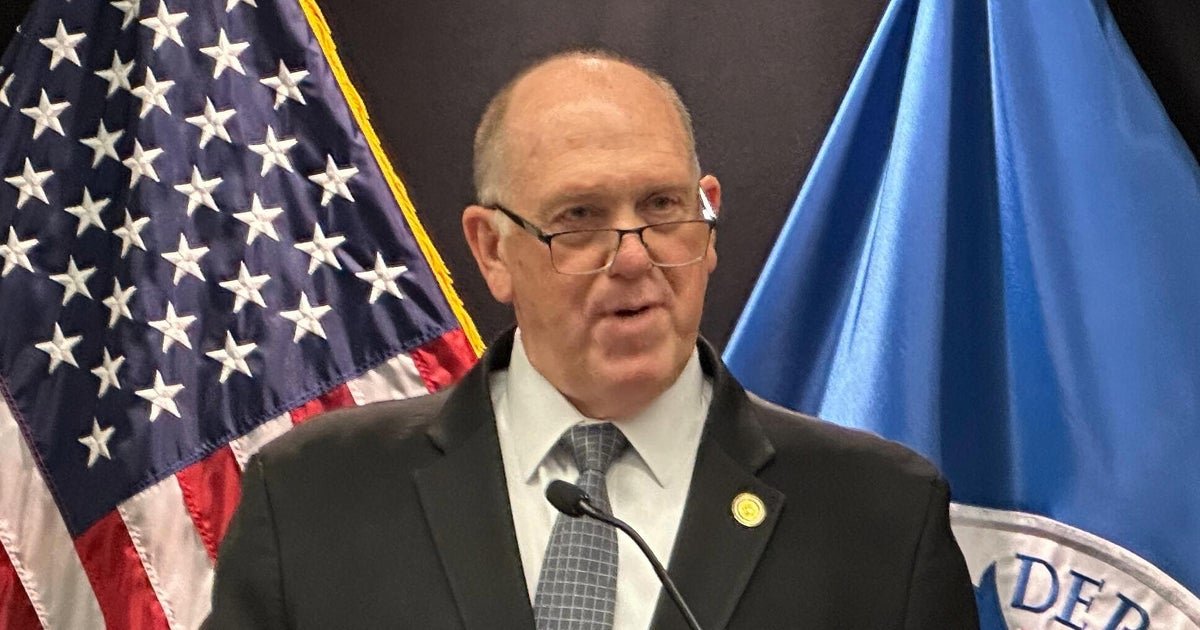
White House border czar Tom Homan holds a news conference at the Bishop Whipple Federal building on Feb. 12, 2026 in Minneapolis. Scott McFetridge/AP
“We have a lot of work to do across this country to remove public safety risk, who shouldn’t even be in this country. And to deliver on President Trump’s promise for strong border security and mass deportation, law enforcement officers drawn down from this surge operation will either return to the duty station or be assigned elsewhere to achieve just that.”
Gov. Tim Walz, who is scheduled to speak on budget proposals for businesses impacted by the surge later Thursday morning, said, “The long road to recovery starts now. The impact on our economy, our schools, and people’s lives won’t be reversed overnight. That work starts today.”
Minneapolis Mayor Jacob Frey also issued a statement in the aftermath of Homan’s announcement.
“They thought they could break us, but a love for our neighbors and a resolve to endure can outlast an occupation. These patriots of Minneapolis are showing that it’s not just about resistance — standing with our neighbors is deeply American,” he said. “This operation has been catastrophic for our neighbors and businesses, and now it’s time for a great comeback. We will show the same commitment to our immigrant residents and endurance in this reopening, and I’m hopeful the whole country will stand with us as we move forward together.”
The announcement comes the same morning as a number of top Minnesota officials are testifying at a U.S. Senate hearing on immigration enforcement, including Attorney General Keith Ellison, Minnesota Department of Corrections Commissioner Paul Schnell and U.S. House Majority Whip Tom Emmer.
In his opening statement at that hearing, Ellison said Operation Metro Surge has caused “real harm” to Minnesota.
“This war on Minnesota is retribution to be sure — our policies, our values and how we vote,” Ellison said. “And it comes at a great cost.
Emmer countered, calling the clashes seen in Minnesota as “a direct result of radical sanctuary state and city policies in Minnesota,” adding that he believes those policies “turned Minnesota into a safe haven for criminal illegal aliens.”
Homan arrived in Minnesota in late January, less than a week after federal officials announced Border Patrol commander Gregory Bovino and some of his agents would be leaving the area.
On Feb. 4, Homan said federal authorities were going to immediately “draw down” 700 law enforcement personnel in Minnesota and that around 2,000 agents would remain in the state. The number was around 150 before the surge.
“My goal, with the support of President Trump, is to achieve a complete drawdown and end this surge as soon as we can, but that is largely contingent upon the end of illegal and threatening activities against ICE and its federal partners that we’re seeing in the community,” Homan said earlier this month.
Gov. Tim Walz on Tuesday said he expected Operation Metro Surge to last “days, not weeks and months.”
White House officials said earlier this month that there have been at least 4,000 arrests in Minnesota connected with the federal operation.
contributed to this report.
In: