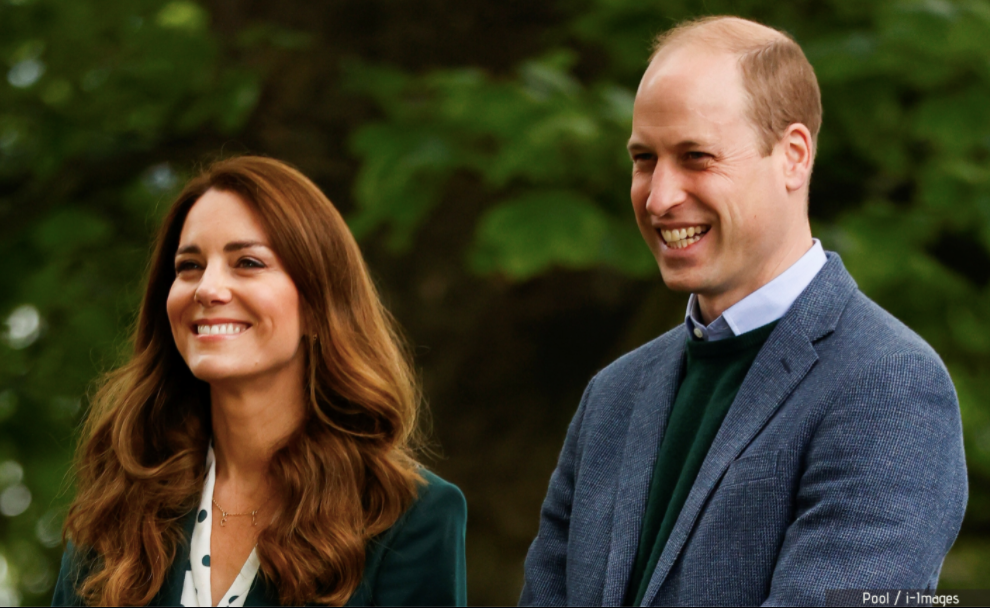

Prince William is preparing to step into the most sensitive
international role of his public life as he travels to Saudi Arabia
at the direct request of the UK government – a visit that places
the future king at the centre of one of Britain’s most
controversial diplomatic relationships.
“He didn’t flinch when the request came in,” a royal source told the BBC. “When the
government asks, he goes.”
But this journey, the Prince of Wales’s first to the kingdom,
represents a markedly different challenge from recent tours of
Estonia, Poland or South Africa. Saudi Arabia’s global influence is
growing fast, yet its leadership remains deeply contentious,
leaving William to navigate a delicate balancing act between
diplomacy, human rights concerns and Britain’s strategic
interests.
Indeed, The Sunday Times describes the
upcoming trip as ‘his biggest diplomatic challenge yet’.
The visit will focus on youth development and the transition
away from fossil fuels – pillars of Saudi Arabia’s ambitious
economic overhaul under Crown Prince Mohammed bin Salman. Once
known primarily for its oil wealth and conservative social code,
the kingdom has in recent years staged high-profile sporting
events, film festivals and entertainment showcases in a bid to
present a modernised image to the world.
Yet critics accuse the Saudi leadership of using culture and
sport to distract from ongoing repression. Amnesty International
and other groups continue to highlight restrictions on political
dissent, the criminalisation of same-sex relationships, and the
limited freedoms still faced by women despite recent reforms.
At the heart of William’s visit will be a private audience with
Crown Prince Mohammed bin Salman – Saudi Arabia’s de facto ruler
and one of the most powerful figures in the Middle East. The prince
is expected to be extensively briefed ahead of the meeting,
including on the crown prince’s alleged involvement in the 2018
murder of journalist Jamal Khashoggi, an accusation supported by a
US intelligence report but repeatedly denied by Saudi
authorities.
Whether William will raise human rights issues directly remains
unclear. Palace aides traditionally refuse to comment on private
discussions, though officials say the prince will be guided closely
by the Foreign Office and the British embassy to ensure
conversations serve broader diplomatic objectives.
The timing of the trip adds further complexity. It comes against
the backdrop of renewed embarrassment for the Royal Family
following the latest release of Epstein-related documents, which
have intensified scrutiny of Prince Andrew and hastened his
departure from Royal Lodge.
Despite the turbulence, government insiders describe Saudi
Arabia as Britain’s top diplomatic priority in the region – and
William as its most effective emissary.
“He is a diplomatic secret weapon,” one source said. “When the
Saudis see Prince William arrive, it signals that the UK is serious
about the relationship.”
The optics will be uncomfortable for many. Images of the Prince
of Wales alongside the Saudi Crown Prince are likely to provoke
criticism at home, particularly given the kingdom’s record on
dissent and overseas intimidation of critics.
This latest trip, insiders say, marks another stage in William’s
transformation from popular royal to international statesman. As
Prince of Wales, he is increasingly being called upon to represent
British interests in regions where diplomacy is fraught but
influence is vital.
His task in Saudi Arabia will be to reinforce ties, encourage
reform where possible, and demonstrate Britain’s continued
engagement with a nation reshaping its global role – even as its
leadership remains one of the most controversial on the world
stage.
For Prince William, it is not simply another overseas tour. It
is a defining test of the soft power he will one day inherit as
king.